 Northstar Workshop
Care / 7 min read
The repair table
Why careful repairs begin with listening to the object.
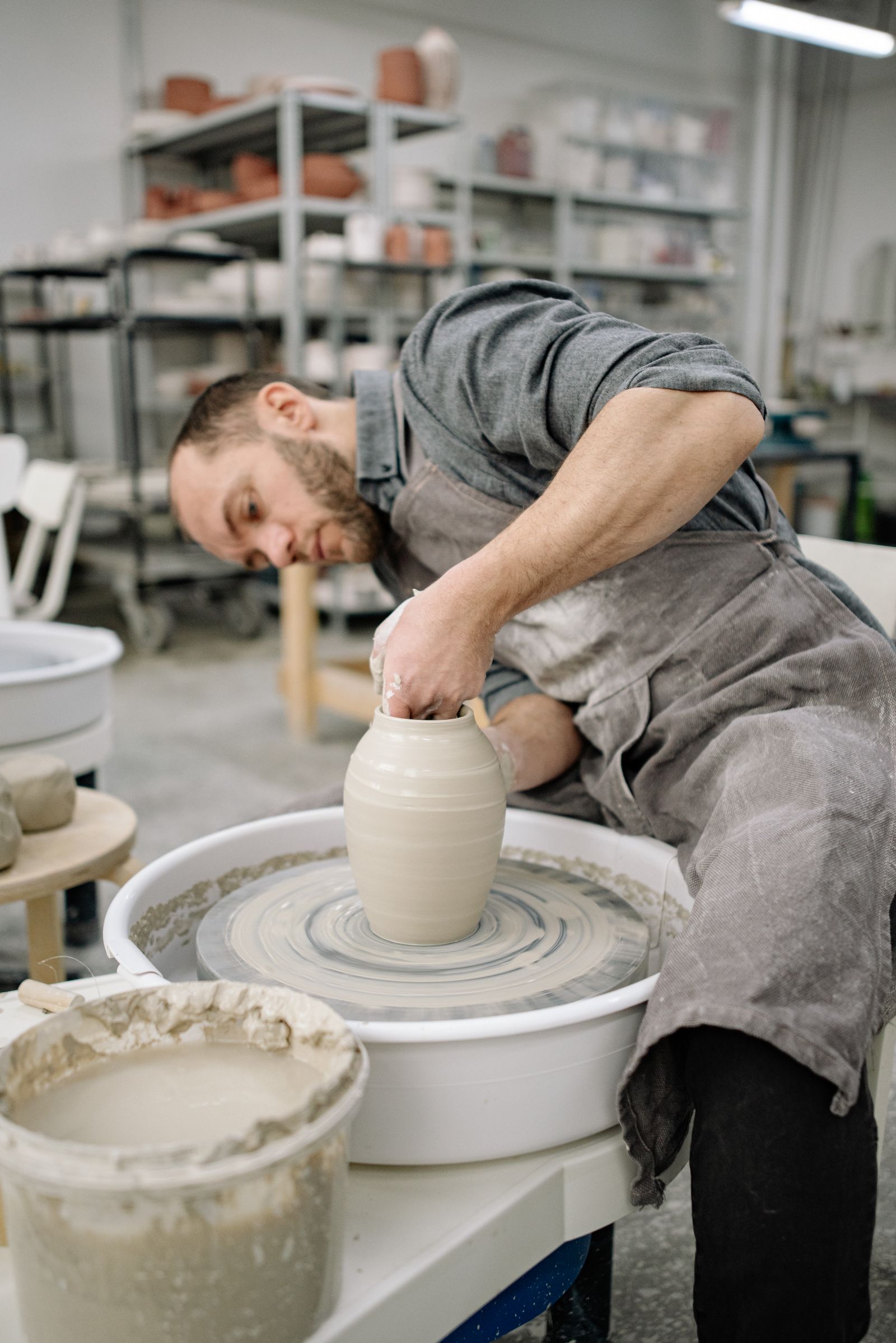
A repair table holds more questions than tools. Before tightening anything, we look for the wear that tells us how an object has been carried, opened or set down.
Look before changing anything
A loose hinge may need a new screw, but it may also need a different position. Rushing straight to replacement can erase the information that makes a repair last.
We keep the old parts until the end of the work. They help us explain the decision and give the owner a clear record of what changed.
A record that travels with the object
When a repair is complete, we write down the material, the part we changed and the part we chose to leave alone. This simple record makes the next repair easier, especially when an object moves between homes or hands. It also lets an owner decide whether another change is worth making.
We test the object in the way it will actually be used. A door is opened and closed many times; a tray is lifted with one hand; a chair is moved across the floor. The final test is ordinary use, not how tidy the work looks on the bench.
Explore more care stories or return to the journal.