 Northstar Workshop
Journal / Field notes
A chair by the window
The geometry of returning
A place to put the day down
Three ways of describing one quiet corner.
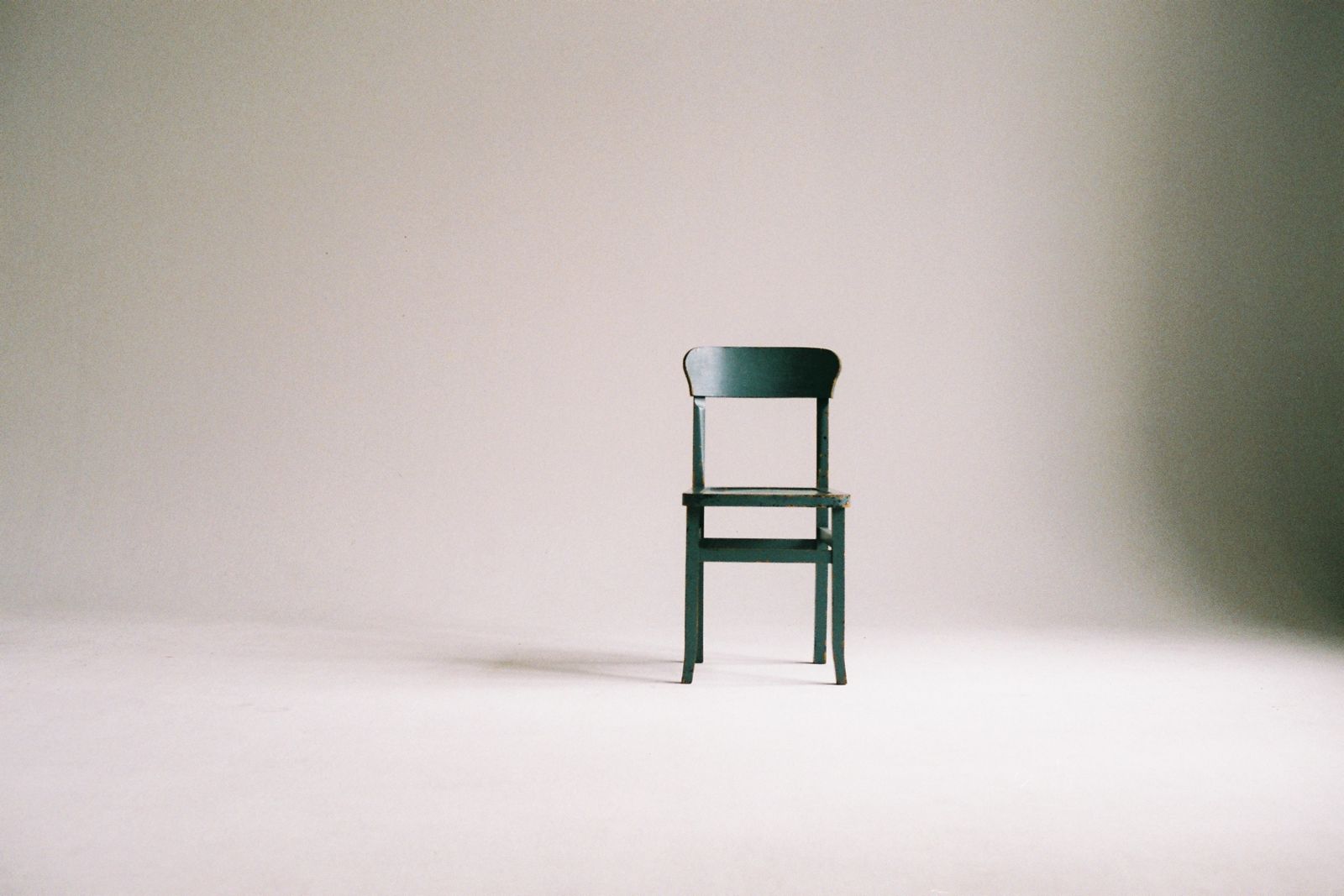
The chair arrived at the workshop in pieces: two side rails, a seat that had been sanded almost too carefully and a backrest with one dark crescent where someone’s hand had rested for years. It was not a valuable chair. That was precisely why we kept it.
We put it by the north window while we decided what to do. For a week, people sat in it while waiting for the kettle. Someone read a delivery note there. Someone else used the seat as a temporary place for a box of brass screws. By Friday, the chair had become part of the room before we had made a single repair.
Good proportions make room for attention
A chair does not need to explain itself. The front edge should not press into the back of the knees. The back should meet the body without insisting on a posture. The feet should touch the floor with enough stability that the person sitting can forget about balance and pay attention to the conversation, the page or the work in front of them.
These are modest ambitions, but they take time to get right. We mock up seats in scrap timber and leave them in different rooms. A shape that feels generous in the showroom may feel crowded beside a narrow desk. A beautiful angle may become tiring after an hour. Context is part of the design.
The corner becomes yours
The best rooms do not announce their purpose. They leave a little space for a person to arrive and decide what the next hour might be. A chair by a window is not only furniture; it is an invitation with no deadline attached.
We repaired the old chair with a new joint, a coat of oil and no attempt to hide the darker mark on the backrest. It still sits by the window. We still use it when we need to think without making a performance of thinking.